

To evaluate and compare the manifestations of IgG4-RD in patients≤25 years of age (pediatric, adolescents and young adults) and those≥50 years of age.
Materials and methodsA retrospective descriptive study of 64 patients diagnosed with IgG4-RD based on the Umehara 2011/2020 criteria and the ACR/EULAR 2019 classification criteria, covering the period from 2014 to 2023. The medical records of these two age groups were reviewed.
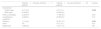
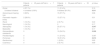
ResultsOf the 64 patients, 7 were ≤25 years old (11%) and 35 were ≥50 years old (54.7%). Among patients≤25 years old, 6 were female, with a mean age at consultation of 21.3 years (± 5.06). Five (71%) had single-organ involvement, while two presented with multi-organ involvement. In the ≥50 years group, females also predominated (57%), with a mean age at consultation of 60 years (± 7.4) and more constitutional symptoms were observed, multi-organ involvement (p=0.009), asthenia (p=0.047), lymph nodes (p=0.047), submandibular gland involvement (p=0.009), lung involvement (p=0.013) and parotidomegaly (p=0.097). Ocular involvement was more frequent in those under 25 years of age; however, in those over 50 years of age, this involvement was mostly bilateral (p=0.011). There were no statistically significant differences in laboratory variables between both groups. There was a predominance of lymphoplasmacytic infiltrate in the majority of the biopsies performed. In cases of ocular involvement, histopathological analysis revealed lymphoplasmacytic infiltrate with no differences in the presence of storiform fibrosis, obliterative phlebitis, or eosinophilic infiltrate. However, the latter was more frequent in older patients.
ConclusionReviewing the literature and describing our data on IgG4-RD in children is crucial, as pediatric physicians often overlook this condition. This fact, as in adult cases, could help prevent unnecessary surgeries and irreversible organ damage.
Evaluar y comparar las manifestaciones de la ER-IgG4 en los pacientes ≤25 años (pediátrica, adolescentes y adultos jóvenes), y aquellos con ≥50 años.
Materiales y métodosEstudio retrospectivo descriptivo de 64 pacientes con ER-IgG4 con criterios Umehara 2011/2020 y ACR/EULAR 2019, desde 2014 a 2023.
ResultadosDe 64 pacientes, 7 tenían ≤25 años (11%) y 35 ≥50 años (54,7%). De los pacientes ≤25 años, 6 resultaron mujeres, edad de consulta de 21,3 años (±5,06). Cinco (71%) presentaron compromiso monorgánico y 2, compromiso multiorgánico. En los ≥50 años, predominó el sexo femenino (57%), edad de consulta de 60 años (±7,4), observándose más síntomas constitucionales, compromiso multiorgánico (p=0,009), astenia (p=0,047), ganglios linfáticos (p=0,047), glándula submaxilar (p=0,009), pulmón (p=0,013) y parotidomegalia (p=0,097). El compromiso ocular resultó más frecuente en los menores de 25 años, sin embargo, en los mayores de 50 años, este compromiso fue mayormente bilateral (p=0,011). No hubo diferencias estadísticamente significativas en las variables de laboratorio en ambos grupos. Existió un predominó de infiltrado linfoplasmocitario en todas las biopsias realizadas. La anatomía patológica del compromiso ocular, mostró presencia de infiltrado linfoplasmocitario, sin diferencias en la fibrosis estoriforme, flebitis obliterativa e infiltrado de eosinófilos, si bien este último fue mayor en los pacientes de edad avanzada.
ConclusiónEs importante revisar la literatura y describir nuestros datos de la ER-IgG4 en ≤25 años, dado que esta enfermedad no es muy tenida en cuenta por los médicos pediatras. Este hecho, al igual que en los adultos, podría evitar cirugías innecesarias y daño orgánico irreversible.